
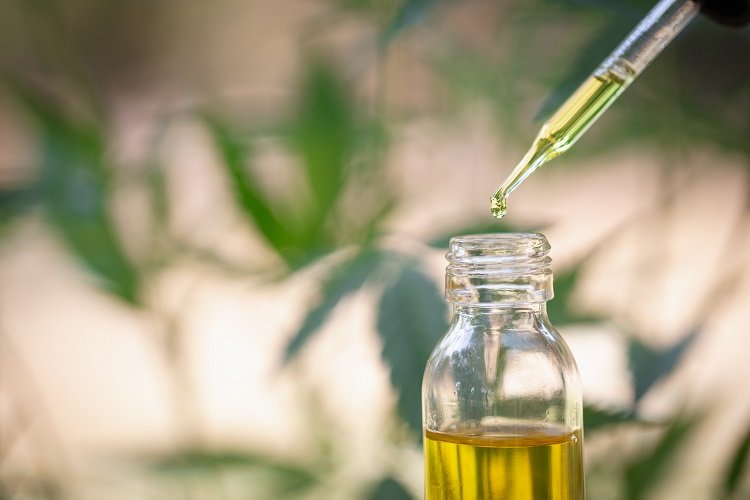
CBD oil has become a widely discussed product in the wellness industry, and consumers today are paying closer attention to how these products are made. While many people focus on CBD strength, spectrum type, or flavor, the extraction method used to produce CBD oil is equally important. Two commonly mentioned techniques are cold pressing and CO2 extraction.
Each method uses a different process to obtain compounds from the hemp plant, and the technique used can influence the purity, potency, and overall quality of the final product. Understanding the difference between cold-pressed and CO2-extracted CBD oil can help consumers make more informed choices when selecting CBD products.
Understanding CBD Extraction Methods
CBD extraction is the process of separating cannabinoids and beneficial compounds from the hemp plant. Hemp contains many natural substances, including cannabinoids, terpenes, flavonoids, and plant oils. Extraction methods aim to isolate these components while removing unwanted plant material.
The method used during extraction can affect the concentration of cannabinoids, the presence of other plant compounds, and the safety of the final CBD oil product.
Different extraction processes exist, but cold pressing and CO2 extraction are two techniques that are frequently discussed in the hemp and CBD industry.
What Is Cold-Pressed CBD Oil?

Cold pressing is a traditional extraction technique often used in the production of natural oils. It involves mechanically pressing plant materials at low temperatures to extract oil without using heat or chemical solvents.
When applied to hemp, cold pressing typically involves crushing hemp seeds or plant material to release oils. This method is commonly used to produce hemp seed oil, which is rich in nutrients such as omega fatty acids, vitamins, and antioxidants.
How Cold Pressing Works
During the cold-pressing process, hemp seeds or plant material are placed in a mechanical press that slowly squeezes the oil out. Because the process uses minimal heat, it helps preserve some of the plant’s natural nutrients.
The resulting oil is then filtered to remove plant particles before being packaged.
While cold pressing is effective for producing hemp seed oil, it does not extract cannabinoids as efficiently as some advanced extraction methods.
Characteristics of Cold-Pressed Hemp Oil
Cold-pressed hemp oil often has several recognizable characteristics:
- A natural greenish color
- A mild, nutty flavor
- A nutrient-rich profile containing healthy fatty acids
- Minimal processing and simple extraction steps
However, cold pressing may not produce CBD-rich extracts because cannabinoids are primarily located in the flowers and leaves of the hemp plant rather than the seeds.
What Is CO2-Extracted CBD Oil?
CO2 extraction is considered one of the most advanced and widely used methods for producing high-quality CBD oil. This process uses pressurized carbon dioxide to pull cannabinoids and other beneficial compounds from hemp plants.
CO2 extraction is popular in the CBD industry because it allows manufacturers to control temperature and pressure with great precision. This level of control helps preserve delicate compounds such as cannabinoids and terpenes.
How CO2 Extraction Works
In CO2 extraction, carbon dioxide is placed under high pressure and low temperature until it becomes a supercritical fluid. In this state, CO2 behaves like both a gas and a liquid, allowing it to dissolve plant compounds efficiently.
The supercritical CO2 passes through hemp plant material and extracts cannabinoids, terpenes, and other beneficial compounds. After extraction, the CO2 evaporates, leaving behind a concentrated CBD extract.
Because CO2 naturally dissipates during the process, it does not leave harmful solvent residues in the final product.
Advantages of CO2 Extraction
CO2 extraction offers several benefits that make it popular among CBD manufacturers:
- Highly efficient extraction of cannabinoids
- Ability to preserve terpenes and other plant compounds
- Precise control over extraction conditions
- Solvent-free final product
- Consistent product quality
These advantages make CO2 extraction one of the preferred methods for producing premium CBD oil products.
Key Differences Between Cold-Pressed and CO2-Extracted CBD Oil
Although both methods involve extracting compounds from hemp plants, they differ significantly in technology, results, and product quality.
Understanding these differences can help consumers recognize why extraction methods matter when choosing CBD oil.
Cannabinoid Content
One of the biggest differences between the two methods is their ability to extract cannabinoids.
Cold pressing primarily extracts oils from hemp seeds, which contain very small amounts of CBD. As a result, cold-pressed hemp oil may not provide significant CBD levels.
CO2 extraction, on the other hand, targets the cannabinoid-rich parts of the hemp plant, including flowers and leaves. This method produces concentrated CBD extracts used in many CBD oil products.
Extraction Efficiency
Cold pressing is a simple mechanical process, but it is less efficient when extracting cannabinoids and other plant compounds.
CO2 extraction is much more advanced and efficient, allowing manufacturers to isolate cannabinoids while preserving beneficial compounds such as terpenes.
This efficiency is one reason why many premium CBD oils rely on CO2 extraction.
Purity and Safety
Cold pressing does not involve chemical solvents, which makes it a natural and simple process. However, because it is less precise, it may not remove all unwanted plant components.
CO2 extraction provides greater control and produces cleaner extracts. Since carbon dioxide evaporates during the process, it does not leave chemical residues behind.
This contributes to a higher level of purity in many CO2-extracted CBD products.
Product Applications
Cold-pressed hemp oil is commonly used as a nutritional oil in foods, skincare products, and dietary supplements. It is valued for its healthy fats and natural nutrients.
CO2-extracted CBD oil is primarily used in wellness products designed to deliver cannabinoids, such as CBD tinctures, capsules, topicals, and edibles.
Because these products aim to provide measurable CBD content, CO2 extraction is often preferred.
Why Extraction Methods Matter for CBD Quality
Extraction methods play a major role in determining the overall quality of CBD oil. The technique used during production can influence potency, purity, and the presence of beneficial plant compounds.
Consumers who want CBD-rich products should pay attention to extraction methods when comparing brands. CO2 extraction is often associated with higher-quality CBD oils due to its ability to preserve cannabinoids and maintain product consistency.
However, cold-pressed hemp oil still has value as a nutritional oil, even though it may not contain high levels of CBD.
Choosing High-Quality CBD Oil
When selecting CBD oil, the extraction method is just one factor to consider. Several other elements contribute to a high-quality CBD product.
Third-Party Lab Testing
Reputable CBD brands provide independent laboratory testing that verifies the contents of their products. These reports confirm cannabinoid levels and check for contaminants such as heavy metals, pesticides, and residual solvents.
Lab testing provides transparency and helps consumers verify product quality.
Hemp Source
The quality of CBD oil also depends on the hemp used during production. Hemp grown in clean soil and cultivated using responsible farming practices generally produces better extracts.
Many consumers prefer CBD products made from organically grown hemp.
Product Label Transparency
High-quality CBD brands clearly list ingredients, CBD concentrations, and product information on their labels. Transparent labeling helps consumers understand exactly what they are purchasing.
Which Extraction Method Is Better?
When comparing cold pressing and CO2 extraction, the better method depends on the intended product.
Cold pressing works well for producing hemp seed oil used for nutrition and skincare. However, it is not the most effective method for producing CBD-rich extracts.
CO2 extraction is widely considered the superior method for CBD oil because it efficiently extracts cannabinoids while maintaining product purity and consistency.
For consumers specifically looking for CBD oil with measurable cannabinoid content, CO2-extracted products are often the preferred option.
Read Also : CBD Oil vs. CBD Tinctures: Which is Right for You?
Conclusion
Understanding the difference between cold-pressed and CO2-extracted CBD oil helps consumers make smarter purchasing decisions. Cold pressing is a traditional mechanical method used primarily to produce hemp seed oil, which offers nutritional benefits but contains little CBD.
CO2 extraction, on the other hand, is an advanced technique designed to isolate cannabinoids and preserve valuable plant compounds. This method produces high-quality CBD extracts used in many wellness products.
By learning about extraction processes and paying attention to quality indicators such as lab testing and ingredient transparency, consumers can confidently choose CBD oil that aligns with their health goals and product expectations.