
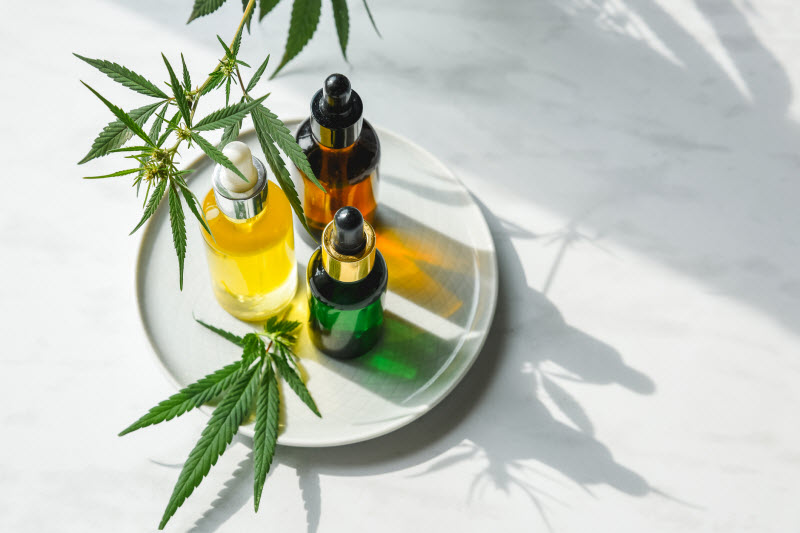
With the growing popularity of CBD products, there are more CBD oils available than ever before. Different brands offer different strengths, formulations, ingredients, and claims, which can make choosing a quality CBD oil confusing, especially for beginners.
A good CBD oil should not be judged only by its CBD content or price. Factors such as ingredients, cannabinoid profile, laboratory testing, labeling, extraction methods, and manufacturer transparency can all help you evaluate a product.
Whether you are buying CBD oil for the first time or comparing different products, knowing what to look for can help you make a more informed decision.
What Is CBD Oil?
CBD oil is a product that contains cannabidiol (CBD), a naturally occurring compound found in the cannabis plant, often derived from hemp.
CBD is different from THC, another well-known cannabinoid. THC is primarily associated with the intoxicating effects or “high” associated with cannabis, while CBD is not generally considered intoxicating.
CBD oil may contain CBD along with other ingredients, depending on how it is formulated. Common ingredients include carrier oils such as coconut-derived MCT oil, hemp seed oil, or olive oil.
The exact composition can vary between products, which is why reading the label is important.
Why Does CBD Oil Quality Matter?
Not all CBD oils are made in the same way.
Two products may contain the same amount of CBD but differ considerably in their ingredients, manufacturing processes, testing practices, and labeling.
A quality CBD oil should provide clear information about what it contains and where it comes from. Transparent labeling can make it easier for consumers to understand what they are purchasing.
When evaluating a CBD oil, consider more than the number of milligrams printed on the bottle.
1. Check the CBD Amount and Strength
One of the first things to check is the amount of CBD in the bottle.
CBD oil products may come in different strengths, such as:
- 250 mg
- 500 mg
- 1,000 mg
- 2,000 mg
- Higher concentrations
The number usually refers to the total amount of CBD in the entire bottle.
However, a higher number does not automatically mean a better product.
You should also check the bottle size. For example, 1,000 mg of CBD in a 10 mL bottle has a higher concentration than 1,000 mg in a 30 mL bottle.
Understanding both total CBD and concentration makes product comparisons easier.
2. Look at the Full Ingredient List
A quality CBD oil should have a clearly stated ingredient list.
CBD oil may contain ingredients such as:
- CBD extract
- Carrier oil
- Natural flavoring
- Other plant compounds
- Additional cannabinoids, depending on the formulation
Avoid products with unclear or incomplete ingredient information.
Reading the ingredient list can also help you identify substances you may want to avoid because of allergies, sensitivities, or personal preferences.
3. Understand the Cannabinoid Profile
CBD oils can have different cannabinoid profiles.
The three common categories are full-spectrum, broad-spectrum, and CBD isolate.
Full-Spectrum CBD
Full-spectrum CBD products generally contain CBD along with other naturally occurring compounds from the cannabis plant. Depending on the product and applicable regulations, they may contain small amounts of THC.
Broad-Spectrum CBD
Broad-spectrum products generally contain CBD and other cannabinoids and plant compounds but are formulated to remove THC. However, consumers should still check the product’s laboratory results and labeling rather than relying only on marketing terminology.
CBD Isolate
CBD isolate is a purified form of CBD that is intended to contain CBD without other cannabinoids.
Each formulation has different characteristics, so understanding the cannabinoid profile can help you choose a product that matches your preferences.
4. Look for Independent Laboratory Testing
Third-party laboratory testing is one of the most useful things to look for when evaluating a CBD product.
Independent testing can provide information about what is actually present in the product.
A laboratory report, often called a Certificate of Analysis (COA), may show:
- CBD concentration
- Other cannabinoids
- THC content
- Contaminant testing
- Batch information
The exact tests included can vary between laboratories and manufacturers.
A reputable brand should make its testing information reasonably accessible and connect the results to the relevant product or batch.
5. Check Whether the CBD Amount Matches the Label
The amount of CBD advertised on the bottle should reasonably correspond with the laboratory testing information.
For example, if a product claims to contain a specific amount of CBD, the available testing should provide evidence about the cannabinoid content.
This is another reason why third-party testing can be useful.
Rather than choosing a product based only on its marketing claims, look for evidence supporting those claims.
6. Pay Attention to the Carrier Oil
CBD is commonly mixed with a carrier oil to create a usable oil-based product.
Common carrier oils include:
MCT Oil
MCT oil is commonly used in CBD products because it has a relatively neutral taste and is easy to mix with CBD extracts.
Hemp Seed Oil
Hemp seed oil comes from hemp seeds and contains various nutrients and fatty acids. It is different from hemp-derived CBD extract.
Olive Oil
Olive oil is another carrier option used in some CBD products.
The carrier oil can affect the taste, texture, and overall formulation, so check which carrier oil the product uses.
7. Check the Extraction and Manufacturing Information
The way CBD is extracted and processed can influence the final product.
Some manufacturers provide information about their extraction methods and production standards, while others provide very little detail.
Look for brands that are transparent about:
- Where their hemp or cannabis material comes from
- How CBD is extracted
- Where the product is manufactured
- Quality-control procedures
- Testing practices
Clear information can help consumers better understand how the product is produced.
8. Avoid Products With Unrealistic Claims
Be cautious if a CBD oil brand promises that its product can cure, prevent, or treat a wide range of diseases or medical conditions.
CBD research is still developing, and evidence differs depending on the specific use being studied.
Marketing claims should not replace professional medical advice.
A responsible CBD brand should provide factual product information without making exaggerated promises.
9. Check the Product Label Carefully
A quality CBD oil should have a clear and informative label.
Look for information such as:
- Product name
- Total CBD content
- Bottle volume
- Serving information
- Ingredient list
- Cannabinoid profile
- Manufacturer information
- Batch or lot number
- Storage instructions
- Expiration or best-before information, where applicable
If important information is missing, it may be worth considering another product.
10. Look for Batch Information
Batch or lot numbers can make it easier to connect a particular bottle to its laboratory testing.
This is particularly useful because formulations and production batches can vary.
If a manufacturer provides a COA, check whether the report corresponds to the product’s batch or lot number.
This gives you more useful information than simply looking at a generic laboratory report from an unrelated batch.
11. Consider the Source of the Hemp
The source of the plant material can also be an important consideration.
Some CBD companies provide information about where their hemp is grown and how it is cultivated.
Depending on the manufacturer, information may include:
- Growing location
- Agricultural practices
- Farming standards
- Harvesting methods
- Cultivation controls
While the source alone does not prove that a CBD oil is high quality, transparent sourcing can be a positive sign.
12. Check Storage and Packaging
CBD oil can be affected by environmental conditions such as heat, light, and air.
Quality products should come with appropriate packaging and storage instructions.
Many CBD oils are packaged in dark or opaque bottles designed to reduce exposure to light.
Follow the manufacturer’s storage instructions and keep the product away from excessive heat and direct sunlight.
Proper storage can help maintain product quality over time.
13. Compare CBD Concentration, Not Just Price
Price can be useful when comparing products, but it should not be the only factor.
A cheaper CBD oil may contain less CBD or offer less information about testing and ingredients.
Instead of comparing bottles only by their price, consider:
- Total CBD content
- CBD concentration
- Bottle size
- Ingredient quality
- Laboratory testing
- Product formulation
- Brand transparency
Looking at the overall value can help you make a more informed choice.
14. Understand the Difference Between CBD Oil and Hemp Seed Oil
This is an important distinction for beginners.
Hemp seed oil is made from hemp seeds and does not naturally contain significant amounts of CBD.
CBD oil, on the other hand, contains cannabidiol extracted from cannabis or hemp plant material.
Some products may contain hemp seed oil as a carrier ingredient while also containing CBD extract.
Always read the label carefully to understand what you are buying.
15. Consider the CBD Extraction Type
Manufacturers may use different extraction technologies to obtain CBD from plant material.
Supercritical carbon dioxide extraction is one method used in the CBD industry. Other extraction methods may also be used depending on the manufacturer and product.
Consumers do not necessarily need to become experts in extraction chemistry, but choosing a company that explains its manufacturing process can provide greater transparency.
16. Check for Contaminant Testing
Testing should ideally cover more than just cannabinoid levels.
Depending on the product and testing program, laboratory reports may check for substances such as:
- Heavy metals
- Pesticides
- Residual solvents
- Microbial contamination
- Other unwanted contaminants
The specific tests and acceptable limits can vary by jurisdiction and product category.
If a brand provides detailed laboratory results, review what the testing actually covers instead of assuming that every COA tests for everything.
17. Choose a Brand That Provides Transparent Information
Transparency is an important quality indicator.
A trustworthy CBD company should make it reasonably easy to find information about its:
- Products
- Ingredients
- Manufacturing
- Testing
- Contact information
- Batch details
If a website provides very little information about the product or manufacturer, be cautious before purchasing.
A professional presentation does not guarantee product quality, but clear and verifiable information can help you evaluate a product more effectively.
How to Choose the Right CBD Oil for Your Needs
Once you understand the basics, choosing a CBD oil becomes easier.
Start by asking a few simple questions:
1. What Strength Do You Want?
CBD oils are available in different concentrations. Consider the product’s labeling and choose a strength that fits your intended use rather than automatically selecting the highest concentration.
2. What Type of CBD Do You Prefer?
Decide whether you prefer full-spectrum, broad-spectrum, or isolate products based on the cannabinoid profile and your preferences.
3. Are the Ingredients Clear?
Choose products that clearly list all ingredients.
4. Is Testing Available?
Look for accessible laboratory testing that identifies the cannabinoid content and, where relevant, contaminant results.
5. Is the Brand Transparent?
A manufacturer that clearly explains its sourcing, manufacturing, and testing practices gives consumers more information for making a decision.
Common Mistakes to Avoid When Buying CBD Oil
Choosing CBD oil based only on the biggest number on the bottle is a common mistake.
Other mistakes include:
1. Choosing the Highest Strength Automatically
Higher concentration does not necessarily mean better results.
2. Ignoring the Ingredient List
CBD content is only one part of the product. Other ingredients also matter.
3. Buying Only Based on Price
A low price does not necessarily indicate good value.
4. Ignoring Laboratory Testing
Testing can provide useful information about cannabinoid content and product quality.
5. Trusting Every Marketing Claim
Be skeptical of products making broad or unrealistic health claims.
6. Confusing Hemp Oil With CBD Oil
Hemp seed oil and CBD oil are different products, even though both may come from hemp.
Is CBD Oil Safe for Everyone?
CBD is not necessarily appropriate for everyone.
CBD can cause side effects in some people, including drowsiness, fatigue, diarrhea, changes in appetite, dry mouth, or digestive discomfort.
CBD may also interact with certain medications.
If you take prescription medicines, have a medical condition, are pregnant or breastfeeding, or are unsure whether CBD is appropriate for you, speak with a qualified healthcare professional before using it.
Also Read: Morning vs Evening: When Should You Take CBD Oil?
Final Thoughts
Choosing a quality CBD oil requires more than checking the CBD milligram number on the bottle. Ingredients, concentration, cannabinoid profile, third-party testing, batch information, manufacturing transparency, and labeling can all help you evaluate a product.
Look for CBD brands that clearly explain what their products contain and provide accessible information to support their claims. Avoid products that rely heavily on unrealistic promises or provide little information about their ingredients and testing.
Most importantly, remember that a higher CBD strength does not automatically mean higher quality. A well-labeled, transparently tested product may be a more informed choice than one that simply advertises a very high CBD concentration.