

Introduction
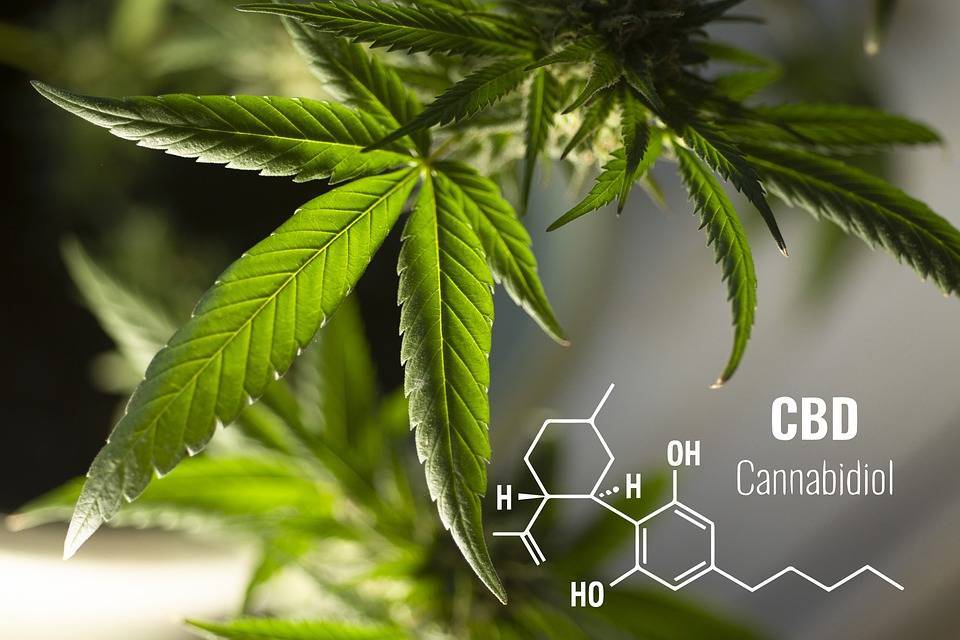
CBD, or cannabidiol, has become one of the most talked-about natural supplements in recent years—and for good reason. While it’s widely recognized for its calming effects and pain-relieving potential, there’s growing scientific interest in how CBD may influence key brain chemicals like serotonin and dopamine. These neurotransmitters play vital roles in regulating mood, motivation, and mental health.
So, how exactly does CBD interact with these neurotransmitters? And can it really help balance your brain chemistry in a meaningful way? Let’s explore what the science says.
Understanding the Basics: What Are Serotonin and Dopamine?
Before diving into CBD’s effects, it’s important to understand the roles of serotonin and dopamine in the brain.
1. Serotonin
Often referred to as the “feel-good” chemical, serotonin helps regulate:
- Mood and emotional well-being
- Sleep cycles
- Appetite
- Anxiety levels
Low serotonin levels are linked to depression, anxiety, and sleep disorders.
2. Dopamine
Dopamine is tied to the brain’s reward system and influences:
- Motivation and drive
- Pleasure and reward perception
- Focus and attention
- Motor control
Imbalances in dopamine can contribute to ADHD, low motivation, mood swings, and even Parkinson’s disease.
How CBD Interacts with Neurotransmitter Systems
Unlike traditional pharmaceutical drugs that act directly on neurotransmitters—often by overwhelming the brain with artificially elevated levels—CBD works more subtly and holistically. It doesn’t “flood” the brain with serotonin or dopamine. Instead, it helps the body optimize its own natural processes by interacting with a complex network of receptors, enzymes, and signaling pathways.
This approach promotes balance rather than manipulation, which is why many users experience fewer side effects compared to prescription medications. Here’s a closer look at the key mechanisms through which CBD influences neurotransmitter activity, particularly serotonin and dopamine.
1. Modulating Serotonin Receptors (5-HT1A)
One of the most important pathways through which CBD affects mood and emotion is its interaction with the 5-HT1A receptor, a subtype of serotonin receptor. These receptors play a crucial role in:
- Managing anxiety and stress responses
- Regulating mood and emotional processing
- Influencing sleep patterns and appetite
CBD acts as a partial agonist of these receptors, which means it can activate them in a way that mimics serotonin—without actually increasing serotonin levels directly. This effect may explain why CBD is known for its calming properties and anti-anxiety potential, especially in social or high-stress situations.
2. Inhibiting the Reuptake of Neurotransmitters
CBD may also indirectly raise levels of certain neurotransmitters by inhibiting their reuptake—a mechanism similar to how some antidepressants work. When neurotransmitters like serotonin or dopamine are released into the brain, they’re typically reabsorbed by neurons after a short time. This reabsorption (or reuptake) limits their availability and effect.
CBD appears to slow down this reuptake process, allowing serotonin and dopamine to remain active in the brain longer. This can lead to a more sustained feeling of emotional stability, motivation, and mental clarity, without overstimulation.
3. Reducing Inflammation in the Brain
Chronic neuroinflammation is a silent disruptor of mental well-being. It has been linked to depression, anxiety, brain fog, and even neurodegenerative conditions like Alzheimer’s and Parkinson’s disease.
CBD is well-documented for its anti-inflammatory properties, and this extends to the central nervous system. By reducing inflammation in the brain:
- Neurons can communicate more efficiently
- Oxidative stress is lowered
- Dopamine and serotonin pathways are protected from damage
In this way, CBD may help preserve long-term cognitive health while also supporting short-term improvements in mood and mental function.
4. Balancing the Endocannabinoid System (ECS)
The endocannabinoid system (ECS) plays a vital role in regulating a wide range of physiological processes, including mood, sleep, pain, and immune function. This system is made up of receptors (CB1 and CB2), enzymes, and naturally occurring cannabinoids (endocannabinoids) that work to maintain homeostasis, or internal balance.
CBD doesn’t bind directly to ECS receptors but instead influences the system’s tone and responsiveness:
- It prevents the breakdown of anandamide, a naturally occurring endocannabinoid often referred to as the “bliss molecule,” which can enhance mood.
- It enhances CB1 receptor signaling in brain regions linked to emotional processing and motivation.
- It supports a more balanced interaction between neurotransmitter systems and ECS regulation.
By helping the ECS function more efficiently, CBD creates an internal environment where neurotransmitters like serotonin and dopamine can operate more effectively and in harmony.icals.
CBD and Serotonin: Calming the Mind
One of the most studied effects of CBD is its interaction with the 5-HT1A serotonin receptor, a key player in mood regulation.
What the Research Shows:
- CBD is believed to bind to or enhance the activity of 5-HT1A receptors, which may help reduce anxiety and depressive symptoms.
- A 2019 study published in Frontiers in Psychology found that CBD showed promise as a treatment for anxiety-related disorders due to its effects on serotonin signaling.
- Animal studies suggest that CBD can produce antidepressant-like effects, similar to how SSRIs (Selective Serotonin Reuptake Inhibitors) work—but without the common side effects like weight gain or emotional numbness.
Real-Life Benefits:
- Reduced social anxiety in stressful situations
- Improved mood and sense of emotional balance
- Support for panic and general anxiety disorders
CBD doesn’t artificially increase serotonin—it helps the brain use its own serotonin more efficiently. This makes it especially appealing for people looking for a natural way to support their mental health.
CBD and Dopamine: Motivation and Pleasure
Dopamine imbalances are commonly associated with low energy, reduced motivation, and even addiction-related behavior. While CBD doesn’t directly stimulate dopamine production like some stimulants or addictive substances, it can influence dopamine levels indirectly through its action on the endocannabinoid system.
Possible Mechanisms:
- CBD may enhance the function of dopamine receptors by reducing neuroinflammation and oxidative stress—both of which can interfere with dopamine signaling.
- It also modulates CB1 receptors, which play a role in the brain’s reward system.
- In some cases, CBD helps normalize dopamine activity, which may support conditions like ADHD, substance use recovery, or mood regulation.
What This Means for You:
- Improved motivation and drive when taken consistently
- Better mental clarity and focus
- Reduced risk of dopamine-related crashes seen with caffeine or sugar highs
CBD’s gentle influence on dopamine makes it a non-addictive alternative for enhancing mental energy and emotional resilience.
The Balance Effect: Why CBD Supports Overall Neurochemical Harmony
Unlike medications that force neurotransmitter changes, CBD promotes internal balance. It helps the body regulate itself by:
- Supporting homeostasis through the endocannabinoid system
- Reducing excessive stress hormone (cortisol) that disrupts neurotransmitter function
- Improving sleep and circadian rhythm, which are critical for brain chemistry regulation
This makes CBD especially useful for individuals experiencing:
- Mood swings
- Burnout and mental fatigue
- Sleep issues caused by anxiety or overthinking
CBD’s impact isn’t just about increasing or decreasing a single neurotransmitter—it’s about creating a brain environment that allows for healthy chemical function across the board.
Who Might Benefit from CBD’s Effects on Serotonin and Dopamine?
CBD’s influence on neurotransmitters may be helpful for people dealing with:
- Anxiety disorders (GAD, social anxiety, panic attacks)
- Depression or low mood
- ADHD and focus issues
- Sleep disturbances linked to mood
- Emotional instability from hormonal fluctuations
- Substance withdrawal and dopamine dysregulation
Of course, everyone’s brain chemistry is different, so results may vary. But growing anecdotal and clinical evidence suggests CBD is a promising tool for supporting mental health naturally.
How to Use CBD for Mood and Brain Support
To fully harness CBD’s potential to support neurotransmitter balance—especially serotonin and dopamine—how you use it matters just as much as what you use. Here are key guidelines to help you get the most out of your CBD routine:
1. Start Low and Go Slow
It’s best to begin with a low dose, typically around 10–20 mg per day, and gradually increase as needed. Everyone’s body chemistry is different, so starting small allows you to observe how your mind and body respond. The effects of CBD are often subtle and build up over time, particularly when targeting brain chemistry. Rushing into high doses can sometimes lead to unwanted side effects like drowsiness or digestive discomfort. Patience is key.
2. Choose Full-Spectrum or Broad-Spectrum CBD
Not all CBD oils are created equal. Full-spectrum and broad-spectrum CBD products contain a range of naturally occurring cannabinoids, terpenes, and flavonoids that work together to enhance CBD’s effects. This is known as the entourage effect, and it may offer more profound results for mood and cognitive support compared to CBD isolate alone. Full-spectrum products include trace amounts of THC (within legal limits), while broad-spectrum options are THC-free but still rich in plant compounds.
3. Be Consistent
When it comes to influencing neurotransmitters like serotonin and dopamine, consistency is critical. The brain and endocannabinoid system respond best to a regular dosing schedule. Using CBD daily over 2 to 4 weeks allows your body time to adjust, rebalance, and begin experiencing the full range of benefits. Irregular use may not yield the same results, especially for those dealing with chronic stress, anxiety, or mood fluctuations.
4. Time It Right
CBD’s effects can vary depending on when you take it and what you’re using it for:
- Morning doses are ideal for promoting mental clarity, motivation, and emotional balance throughout the day. This can be especially helpful for those with low energy or focus difficulties.
- Evening doses tend to support relaxation and can enhance sleep quality by calming the nervous system and easing anxious thoughts. If your mood issues are tied to poor sleep, taking CBD before bed may provide more noticeable benefits.
Listen to your body and adjust the timing based on your specific needs and lifestyle.
5. Talk to Your Doctor
If you’re currently taking medications for depression, anxiety, ADHD, or other neurological conditions, it’s important to consult your healthcare provider before introducing CBD. While CBD is generally well-tolerated, it can interact with certain medications—especially those processed by the liver enzymes CYP3A4 and CYP2C19. A doctor familiar with your medical history can help ensure safe integration of CBD into your routine, minimizing risks and maximizing benefits.
Also Read: Exploring the Different Types of CBD Oil: Full-Spectrum vs. Isolate
Conclusion
CBD oil is not a cure-all, but it offers a gentle, natural way to support neurotransmitter function—especially when it comes to serotonin and dopamine. By calming the nervous system, reducing inflammation, and enhancing receptor sensitivity, CBD may help restore emotional balance, focus, and well-being.
If you’re looking for a non-addictive, plant-based option to support your mental health, CBD may be a valuable ally. As research continues to evolve, its role in promoting brain harmony is only becoming more exciting.