

Introduction
Women’s health is deeply connected to hormones. From puberty to menopause, hormones influence everything from mood and energy levels to reproductive health and metabolism. When these hormones fall out of balance—due to stress, age, lifestyle, or underlying conditions—the result can be frustrating and even debilitating. As more women seek natural solutions for hormone-related issues, one option gaining popularity is CBD oil. But can it really support hormonal balance?
In this blog, we’ll explore the connection between CBD oil and hormonal regulation, how it may help support women’s health, and what the science says so far.
Understanding Hormonal Imbalance in Women
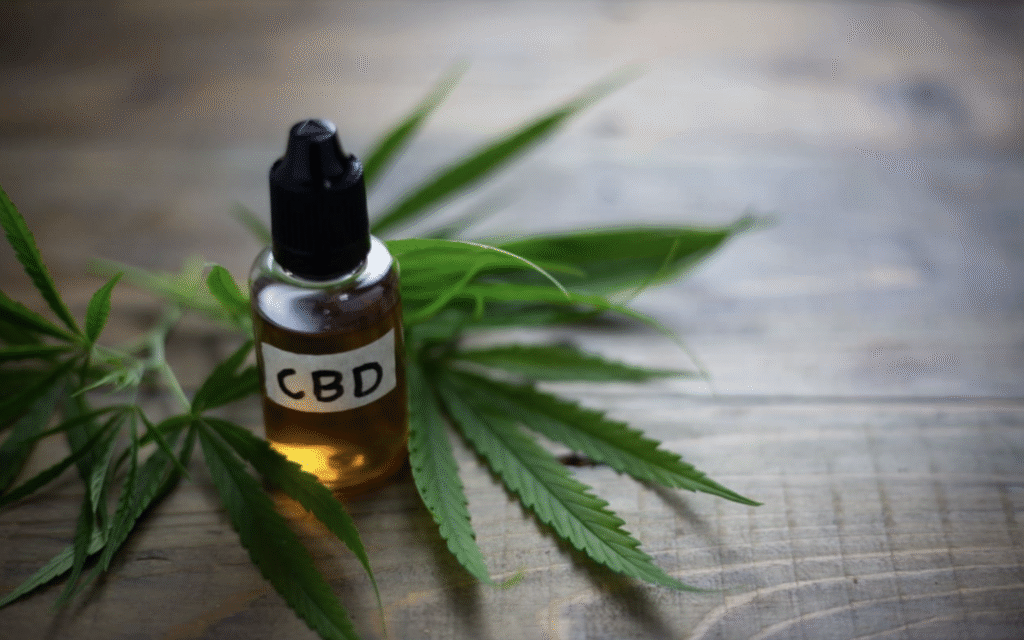
Hormones are chemical messengers that regulate critical functions in the body—including metabolism, fertility, sleep, and mood. In women, key hormones include estrogen, progesterone, cortisol, insulin, and thyroid hormones. When these are imbalanced, symptoms may include:
- Irregular periods
- Mood swings or anxiety
- Fatigue
- Weight gain
- Hot flashes
- Sleep disturbances
- Low libido
While medications and hormone replacement therapy are common treatments, many women are now turning to natural approaches like dietary changes, stress management, and CBD oil.
What Is CBD and How Does It Work?
CBD (cannabidiol) is a naturally occurring, non-psychoactive compound found in the Cannabis sativa plant. Unlike THC (tetrahydrocannabinol), it does not produce a “high,” making it an appealing option for those seeking therapeutic benefits without mind-altering effects. One of the key reasons CBD has gained attention in the medical and wellness communities is its interaction with the body’s endocannabinoid system (ECS).
The endocannabinoid system is a vast and intricate network of receptors (CB1 and CB2), enzymes, and endogenous cannabinoids (cannabinoids produced by the body) that work together to maintain internal stability, or homeostasis. This system influences a variety of physiological functions, including mood, sleep, appetite, memory, pain perception, immune responses, and critically, hormonal activity.
CBD doesn’t bind directly to CB1 or CB2 receptors like THC does. Instead, it modulates the ECS by enhancing the availability of the body’s natural endocannabinoids (like anandamide) and influencing other receptor pathways—such as serotonin and TRPV1 receptors—that also play roles in stress, inflammation, and hormonal regulation.
Because of this modulatory effect, CBD may indirectly impact the endocrine system—the network of glands that produce and release hormones. These include:
- Adrenal glands, which produce cortisol, the body’s primary stress hormone. Chronic high cortisol can disrupt menstrual cycles and reproductive hormones.
- Pancreas, which regulates insulin, crucial for blood sugar balance and metabolic function.
- Ovaries, which produce estrogen and progesterone—hormones that govern the menstrual cycle, fertility, and many aspects of a woman’s physical and emotional well-being.
By supporting the ECS, CBD may help these glands operate more efficiently, potentially promoting hormonal equilibrium. While CBD doesn’t directly “correct” hormonal imbalances, its broad systemic influence can contribute to more balanced endocrine function, especially when imbalances are stress-related or exacerbated by inflammation and poor sleep.
How CBD Oil May Help Regulate Hormones
Let’s look at how CBD oil may influence specific hormones and support women’s health holistically.
1. Stress Reduction and Cortisol Regulation
Chronic stress elevates cortisol, the body’s primary stress hormone. High cortisol levels can throw off the balance of other hormones, including estrogen and progesterone. This can result in irregular menstrual cycles, insomnia, and anxiety.
CBD has shown promise in reducing stress and anxiety, possibly by regulating cortisol levels. A more balanced stress response may, in turn, lead to more stable hormone levels.
2. Improving Sleep and Melatonin Balance
Sleep is vital for hormonal harmony. Melatonin, the hormone that governs sleep cycles, can be disrupted by stress and poor sleep hygiene. This ripple effect can also influence reproductive and thyroid hormones.
CBD may promote better sleep by calming the nervous system and reducing anxiety. Some users report falling asleep faster and experiencing more restful nights with regular CBD use.
3. Balancing Estrogen and Progesterone
While CBD does not contain phytoestrogens like some plant-based compounds, it may support estrogen and progesterone balance indirectly through its effect on inflammation, mood, and stress. For women dealing with symptoms of PMS or perimenopause, CBD may help ease:
- Mood swings
- Cramping
- Bloating
- Irritability
4. Reducing Inflammation and Supporting Thyroid Function
Thyroid hormones are essential for metabolism, energy levels, and mood. Autoimmune thyroid conditions like Hashimoto’s are more common in women, often leading to hormonal imbalances.
CBD is known for its anti-inflammatory properties and may help reduce inflammation associated with thyroid dysfunction. While it’s not a replacement for thyroid medication, it could be a complementary tool in managing symptoms.
5. Easing Menopause Symptoms
Menopause is marked by a sharp decline in estrogen and progesterone. This shift can lead to:
- Hot flashes
- Insomnia
- Mood disorders
- Joint pain
Many women are turning to CBD as a natural way to ease menopause symptoms, especially those related to sleep, mood, and discomfort.
Is CBD Oil Safe for Women?
CBD is generally considered safe and well-tolerated, with few side effects when taken in appropriate doses. However, some users may experience:
- Dry mouth
- Drowsiness
- Lightheadedness
- Digestive upset
It’s essential to choose high-quality CBD oil from reputable sources that offer third-party lab testing. Always consult a healthcare provider—especially if you’re pregnant, breastfeeding, or taking hormonal or thyroid medications.
How to Use CBD Oil for Hormonal Balance
If you’re considering CBD oil for hormone-related symptoms, here are a few tips to get started:
- Start Low and Go Slow: Begin with a small dose (e.g., 5–10 mg), and monitor how your body responds. Gradually increase as needed.
- Use Consistently: CBD works best when taken regularly, as it builds up in your system over time.
- Choose Full-Spectrum or Broad-Spectrum: Full-spectrum CBD contains other cannabinoids and terpenes that may enhance its effects (the “entourage effect”). If you’re avoiding THC, go for broad-spectrum.
- Track Your Symptoms: Keep a journal of your mood, sleep, cycle, and energy levels to notice any patterns or improvements.
Also Read: How CBD Affects Neurotransmitters Like Serotonin and Dopamine
Final Thoughts
Hormonal balance is essential to a woman’s well-being—physically, mentally, and emotionally. While CBD oil is not a cure-all, it may offer meaningful support for hormone-related symptoms like stress, insomnia, mood swings, and inflammation.
As research evolves, so will our understanding of how cannabinoids like CBD influence the endocrine system. For now, women seeking a natural, plant-based ally in their wellness journey may find CBD oil to be a gentle, supportive option.